Hello everyone.
Are you torn between a single-cylinder and a twin-cylinder motorcycle?
Over the years I've owned three singles and three twins.
In this article I compare them not by the numbers in the brochure, but by how they actually felt to ride.
The short answer
- Singles: light and easy to handle, and easy to work on yourself. But on long rides, the vibration can stay in your hands
- Twins: plenty of torque and easy over long distances. But the bikes tend to be heavier
- For me, more than the difference in feel, it was the weight of the bike that made the biggest difference to how often I rode
- If you can't decide, take a test ride or rent one, and try pushing it around and doing a U-turn too
The singles and twins I've owned
| Bike | Engine | Years | In a word |
|---|---|---|---|
| Yamaha DT200WR | Single (two-stroke, 200 cc) | c. 2006–2010 | Light and powerful |
| Honda XR250 BAJA | Single (250 cc) | c. 2010–now | I strip it down to the engine and service it myself |
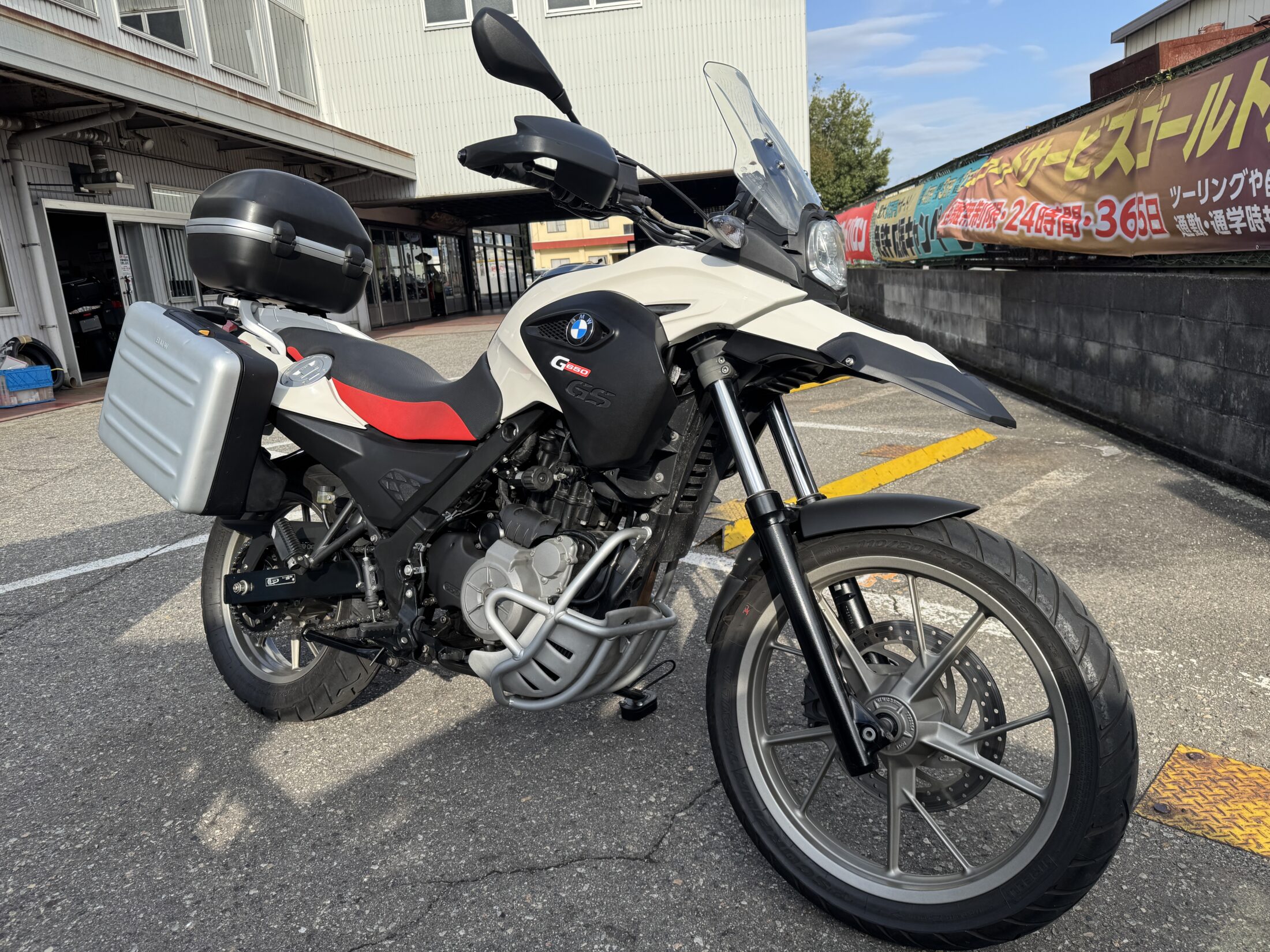
| BMW G650GS | Single (650 cc) | 2020–April 2026 | Light, with all the power I needed |
| Honda Transalp 400V | V-twin (400 cc) | 2010–2012 | Never tiring, but it felt heavy |
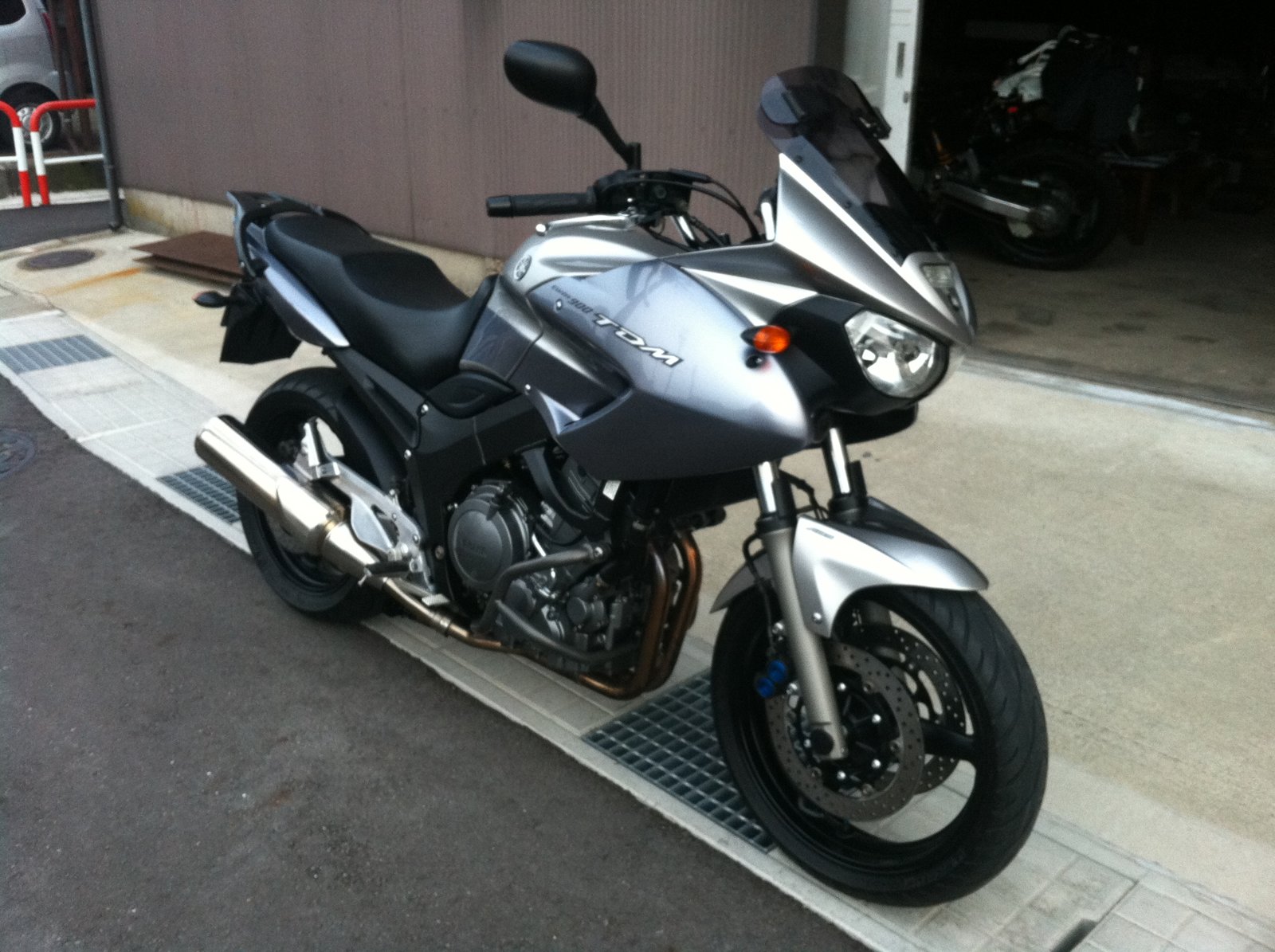
| Yamaha TDM900A | Parallel twin (900 cc) | 2012–2015 | Plenty of torque, easy to ride |
| Honda X-ADV | Parallel twin (750 cc) | 2026– | Easy with DCT; the bike I ride now |
| (For reference) Triumph Tiger Explorer | Triple (1200 cc) | 2016–2020 | Very powerful, but far too heavy |

What I found riding singles
The good
- Light: the DT200WR was light and powerful. The G650GS was light for a 650 cc big bike, with all the power I needed
- Easy to work on: the design is simple, and I've stripped my XR250 BAJA down to the engine and rebuilt it
- Good fuel economy: my XR250 BAJA does about 28 km/L (around 66 mpg UK)
The downside: vibration in your hands
On the singles I rode, vibration came through the handlebars into my hands.
After long tours, my hands sometimes stayed numb even after I'd stopped riding.
Boosting the ignition voltage and fitting a crankcase pressure reducing valve (T-REV) eased this vibration.
-

-
T-REV Review on a BMW G650GS: Softer Engine Braking and Smoother Vibration from a Single
My impressions of a TERAMOTO T-REV crankcase pressure reducing valve on a BMW G650GS: five changes on the road, a gear-range graph, maintenance and downsides.

What I found riding twins
The good
- Transalp 400V: easy to ride, with a soft, cushy seat; I never got tired even on long rides
- TDM900A: as you'd expect from a 900 cc twin, it had plenty of torque and was easy to ride
- X-ADV: the throbbing pulse I felt on the TDM900A is much weaker, so it doesn't bother me and the bike is comfortable
The downside: the pulse and the weight
- On the TDM900A, the twin's throbbing pulse was too strong for me
- Both the Transalp and the TDM900A were heavy. Used to the light DT200WR, I found the Transalp very heavy
- I dropped the Transalp on a slope and struggled to pick it up, and that stayed with me
Even among twins, how strong the pulse felt varied a lot from bike to bike.
For me it was weight, not the number of cylinders
One heavy bike after another, the Transalp, the TDM900A and the Tiger Explorer, and I rode less and less.
So I looked for a big bike under 200 kg, and chose the single-cylinder G650GS.
My X-ADV today is a twin, but what decided it wasn't the cylinders; it was how easy it is to ride with DCT (Honda's automatic gear change).
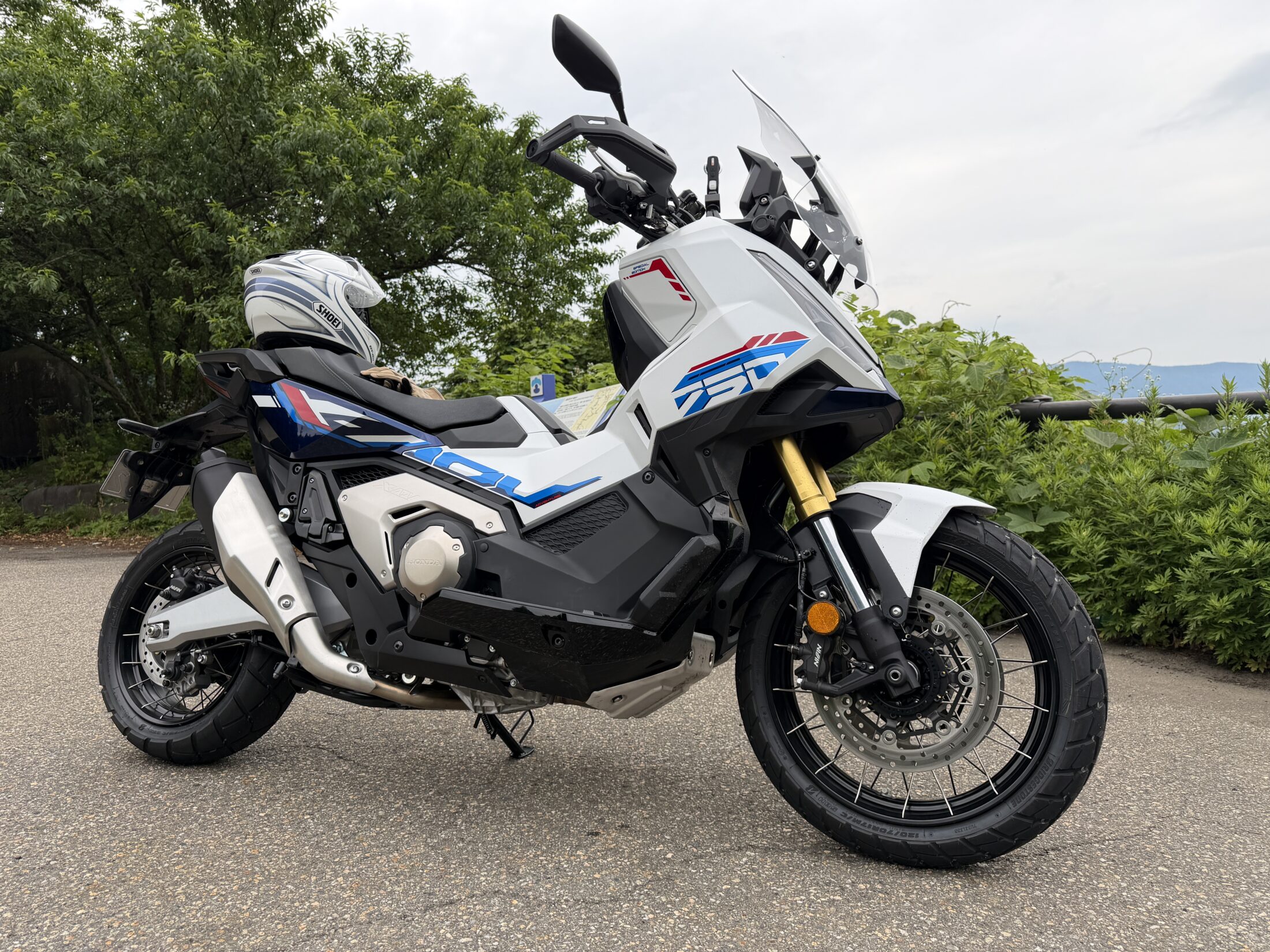
- DCT is very easy, and it has given me more room to enjoy the scenery and to check around me safely
- The rear brake lever on the left handlebar, where the clutch lever would be, is very useful
Before deciding on the number of cylinders, I recommend checking whether you can push the bike around, and pick it up if you drop it.
Singles and twins in general
Putting my experience together as general tendencies, it looks like this.
| Single | Twin | |
|---|---|---|
| Pulse | You clearly feel each power stroke | Power strokes overlap and feel smoother (how strong the pulse is varies by bike) |
| Bike | Often slim and light | Heavier and often wider than a single |
| Best at | Town riding, narrow roads, gravel tracks | Motorways, long distances |
| Vibration | Vibration tends to come through to your hands | Usually finer and milder |
| Maintenance | Fewer parts, easy to work on yourself | More work than a single |
What to check on a test ride or rental
- Push it around and do a U-turn: weight matters more when you're stopped than when you're riding
- Ride both in town and on the motorway: check the vibration and how tired you get. With a single, ride a bit longer and see whether your hands go numb
If you can, rent a single and a twin for a day each and compare them on the same roads.
Summary
- Singles: light, easy to work on, good on fuel. Watch out for hand vibration on long rides
- Twins: plenty of torque, easy over long distances. How strong the pulse is depends on the bike
- My conclusion: more than the feel, what mattered was whether I could handle the weight
I hope this helps if you're choosing your next bike.