Hello everyone.
Today I'm going to introduce the torque wrench I use: the Tohnichi QL25N-MH.
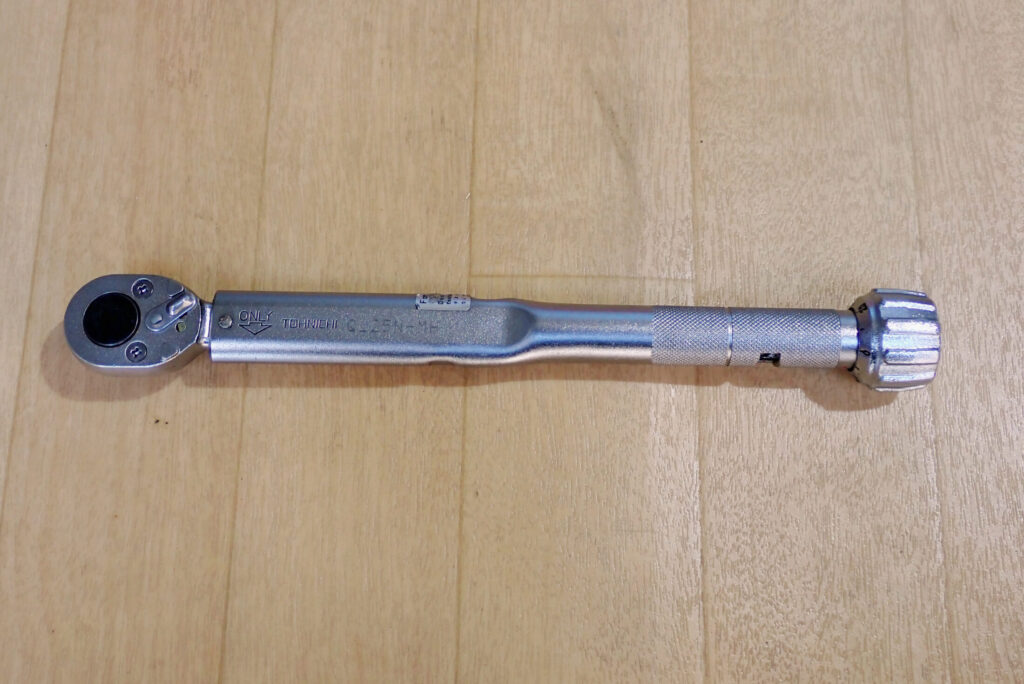
Once you start working on your own bike, you'll find yourself wondering, "How tight should this bolt actually be?"
I've found a torque wrench especially useful for work on the engine. In routine maintenance too, when I'm tightening bolts around the brakes or small bolts where I can't judge how much force to use, I rely on the service manual and a torque wrench.
In this article I cover why you need a torque wrench, why I chose Tohnichi, and the good points and caveats I found using the QL25N-MH.
Why you need a torque wrench for motorcycle maintenance
Avoiding over-tightening and under-tightening
Tightening by feel alone can lead to problems like these:
- Over-tightening: stripping the thread or snapping the bolt
- Under-tightening: the bolt working loose from vibration while you ride
Over-tightening "just to be safe" is an easy mistake to make in DIY maintenance.
Especially important on a bike with lots of aluminium parts
Motorcycles use a lot of aluminium parts, such as the engine cases. Aluminium is softer than steel, so over-tightening can easily damage the threads. Sticking to the tightening torques in the service manual is the basic way to avoid damaging parts.
When I use a torque wrench
- Work on the engine
- Bolts around the brakes
- Small bolts where I can't judge how much force to use
In every case, I check the tightening torque in the service manual first, then tighten with the torque wrench.
Why I chose a Tohnichi torque wrench
A specialist torque tool maker
Tohnichi is a specialist maker of torque tools and developed Japan's first torque tools. The QL25N-MH has an accuracy of ±3% (according to the manufacturer's instruction manual).
You can have it calibrated (inspected and adjusted)
A torque wrench is a measuring instrument, so it gradually drifts with long use. Tohnichi offers calibration, so if you drop it or use it for years and start to worry about its accuracy, you can have it inspected and adjusted.
Good points and caveats from using the QL25N-MH
Good point: a clear "click" at the set torque
When you reach the set torque, there's a distinct "click" that you can feel and hear, which makes it easier to avoid over-tightening.
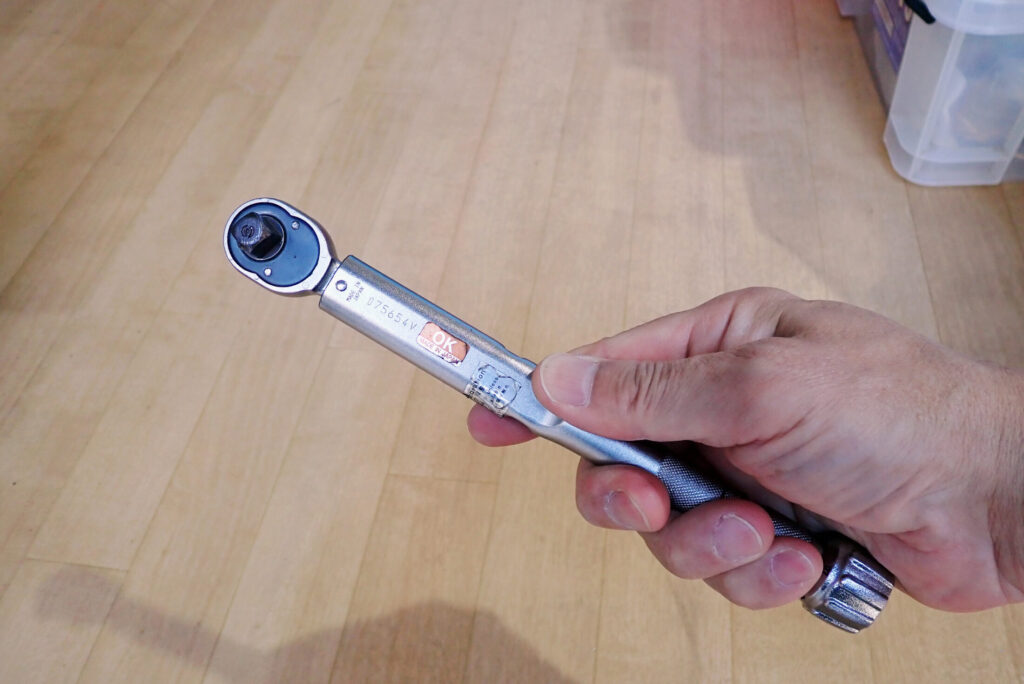
Good point: an easy-to-read scale, and the setting is hard to knock out
The scale is on the grip. You release the lock at the end before setting the torque, and once it's set you lock it again, so the setting is unlikely to shift while you work.
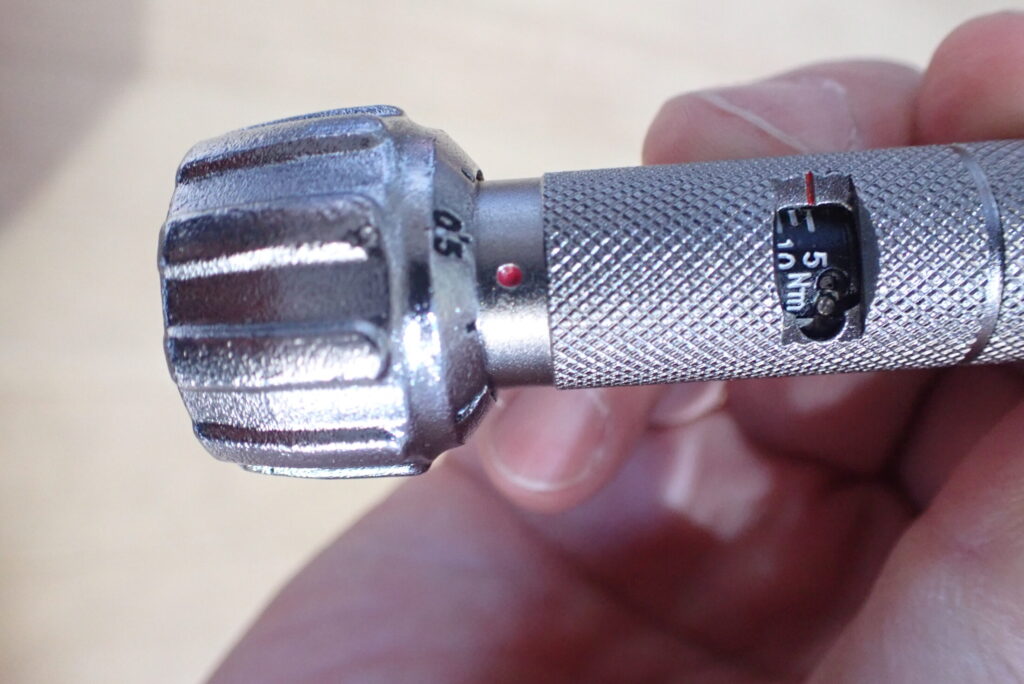
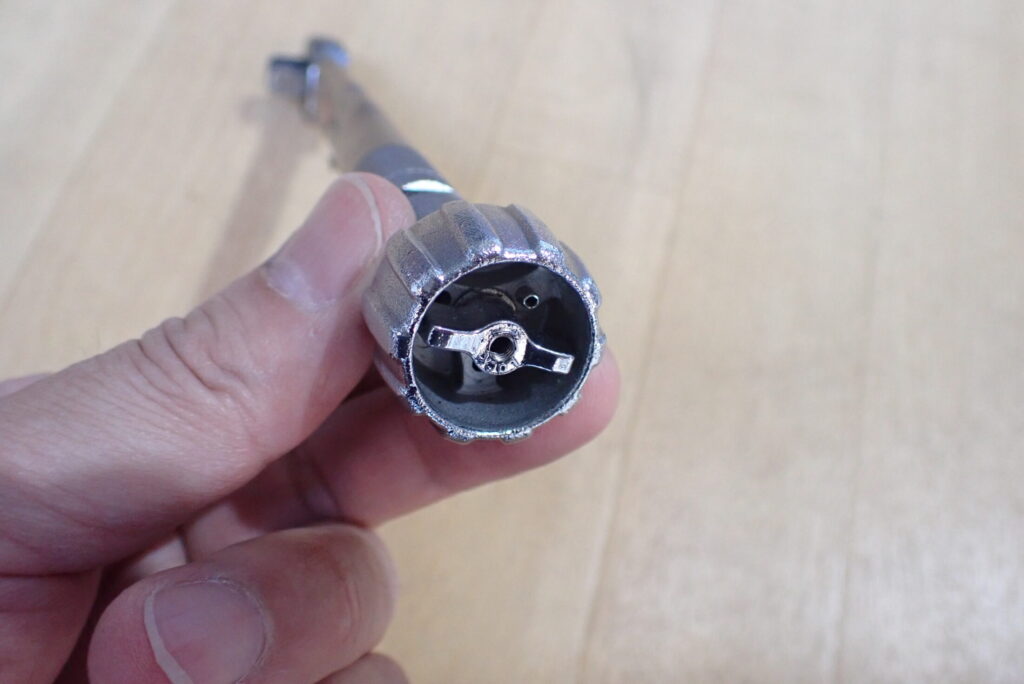
Caveat: one wrench won't cover the wheels and suspension
The QL25N-MH has an adjustment range of 5–25 N·m. Some parts of the running gear, such as the axle nuts, need more torque than that, so you'll need a separate high-torque wrench for them.
I think the best approach is to start with a low-torque wrench, which you'll use most often, and add a high-torque one when you need it.
How it differs from budget torque wrenches
Online you can find budget torque wrenches for a few thousand yen. I've never used one, so I haven't compared them, but because it's a measuring instrument, I chose Tohnichi for its clearly stated accuracy and the option of calibration.
The QL25N-MH was priced at about 12,000 yen on Amazon Japan (as of May 2026). It's more expensive than budget wrenches, but considering the repair if you damage a thread, I think a measuring tool is worth spending money on.
Summary
For engine work, and for places like the brakes or small bolts where you can't judge how much force to use, the service manual and a torque wrench are what I rely on. The Tohnichi QL25N-MH covers 5–25 N·m, the range you'll use most often in DIY maintenance.
Tohnichi's MTQL40N goes up to 40 N·m, so if you'd like a single wrench that covers a slightly wider range, the MTQL40N is also worth considering.