"Does loosening stubborn hex (Allen) bolts on your motorcycle give you that terrifying feeling that the tool is about to slip and round off the bolt head?"
"Have you ever stripped a seized fastener, only to spend a fortune buying extractors and screw-removal tools just to get it out?"
Every home mechanic who wrenches on motorcycles has experienced the nightmare of a stripped bolt head.
In fact, I’ve been there myself: while trying to remove a seized brake pad pin in the past, my socket cammed out and completely rounded the hex recess. I ended up having to buy screw extractors, impact drivers, and specialty removal tools—spending far more money and time than if I had simply invested in a high-precision socket from the start.
Ideally, we’d all love a toolbox filled with top-tier German brands like HAZET, but paying $30 to $40+ for a single hex bit socket is tough on the budget. Most DIY riders want pro-grade precision for under $10 (around 1,000 yen).
That search led me to the ultimate trifecta of precision, bite, and affordability: the Ko-ken Z-EAL 5mm Hex Bit Socket (3/8" / 9.5sq, 50mm Standard Length) made in Japan by Yamashita Industrial Research Laboratory.
In this in-depth review, I’ll explain why I upgraded to the Ko-ken Z-EAL, provide a side-by-side macro comparison of tip geometry against my previous socket, and demonstrate its rock-solid engagement in hex bolts!
Note: While I compare it with my previous TONE socket in this review, I have used TONE tools for over 15 years with great appreciation. This article is not to say TONE makes bad tools, but rather to highlight the specialized high-tolerance refinements of Ko-ken’s Z-EAL lineup.
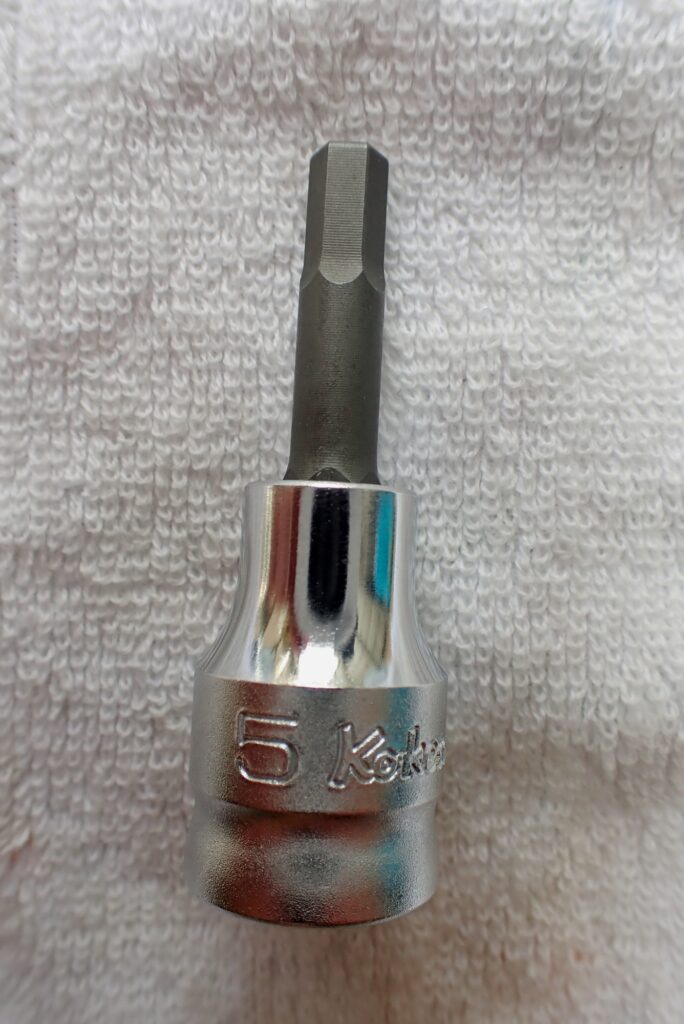
[Image 1: Ko-ken Z-EAL 3010MZ 5mm hex bit socket 3/8 inch drive overview]
1. Why I Added the "5mm" Socket After Falling in Love with the "6mm"
I’ve long relied on the Ko-ken Z-EAL 6mm hex bit socket for heavy-duty motorcycle jobs like caliper mounting bolts, fairing bracket removal, and engine teardowns/rebuilds.
The moment you slide a Z-EAL bit into a hex socket, you immediately feel a vacuum-like, zero-play fitment. It delivered that exact same "impossible-to-slip" peace of mind I once felt using HAZET box-end wrenches, but at an incredibly accessible price point under 1,000 yen.
Because the 5mm hex size is the most frequently used fastener size across modern motorcycles (windscreens, plastic fairing bolts, body stays, and accessories), upgrading my 5mm socket to the Z-EAL series was an absolute no-brainer.
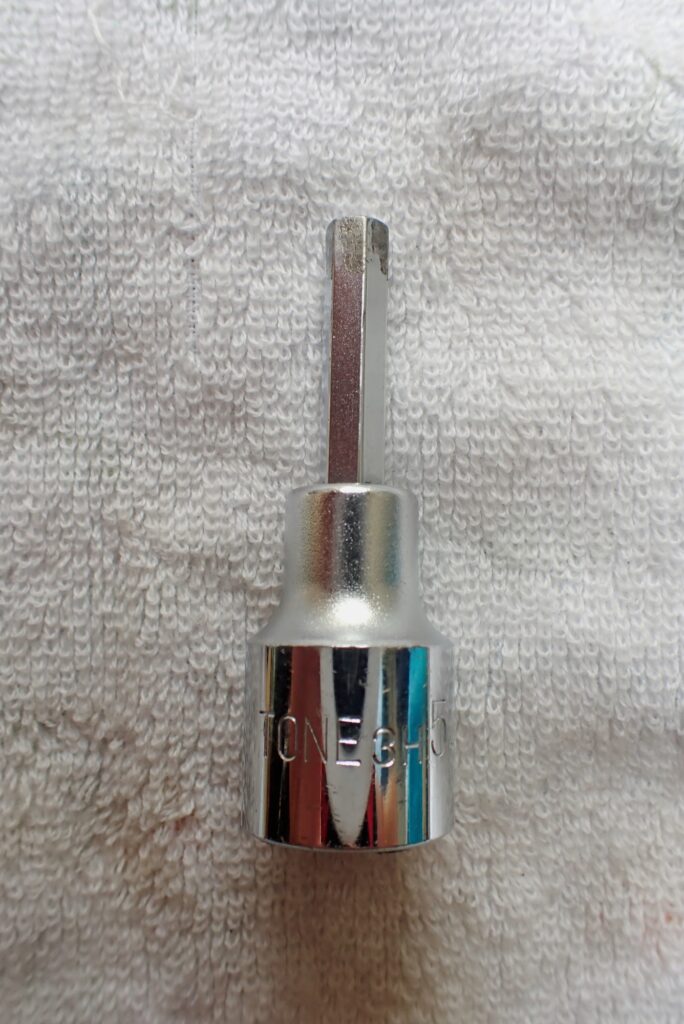
[Image 2: Previously used TONE 3H-05 5mm hex bit socket overview]
2. Limitations & Chrome Flaking on the Previous TONE Socket
My previous go-to was the classic Japanese-made TONE 5mm hex socket (3H-05). While it served reliably for years, intensive wrenching eventually highlighted two noticeable drawbacks:
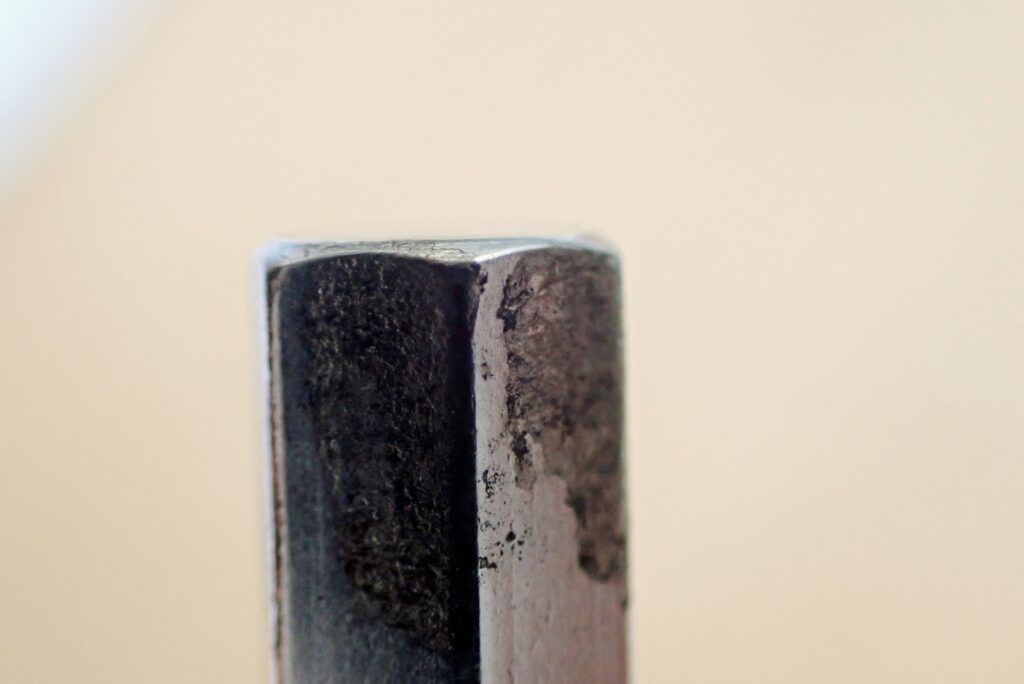
[Image 3: Macro close-up of TONE 5mm hex bit tip showing chrome plating peeling]
Issues Observed on the TONE Socket:
- Chrome Plating Flaking at the Tip:Repeated exposure to high break-away torque caused the chrome plating on the hex drive flats to flake off. These loose metal flakes can wedge inside bolt recesses or alter the tool's dimensional tolerance.
- Shallow Engagement in Low-Profile Bolts:When working with button-head or low-profile bolts where the hex socket depth is shallow, the bit felt like it wasn’t seating all the way to the bottom, resulting in slight wobble and play.
3. [Head-to-Head Macro Comparison] TONE vs. Ko-ken Z-EAL: Tip Geometry & Fitment
Let's examine both sockets side by side under macro photography to see the exact engineering differences that prevent stripped fasteners.
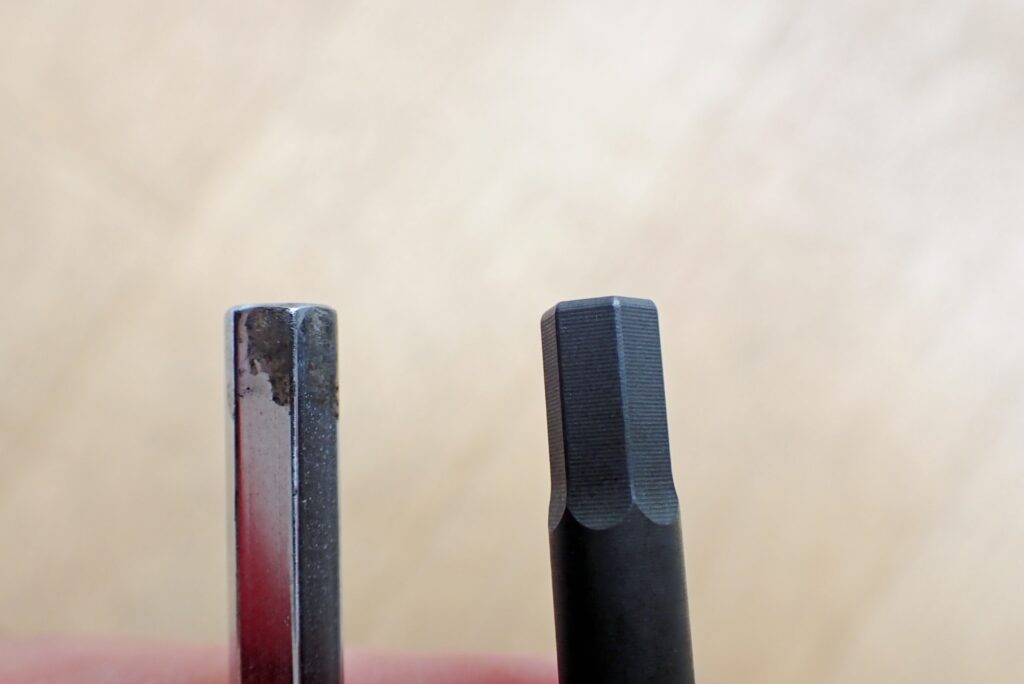
[Image 4: Comparison of tip chamfer and surface finish between TONE and Ko-ken Z-EAL hex bit sockets]
① Tip Chamfer (Lead-in Bevel) Difference
- TONE (Left / Chrome): Features a large, rounded lead-in chamfer. While this makes it easy to slip the tool into the bolt quickly, it drastically reduces the effective contact surface area—especially in shallow bolt heads.
- Ko-ken Z-EAL (Right / Black): The lead-in chamfer is engineered to the absolute bare minimum, leaving crisp, sharp drive flats that extend right to the tip. This ensures full-depth contact and maximum surface area engagement even in ultra-shallow bolt recesses.
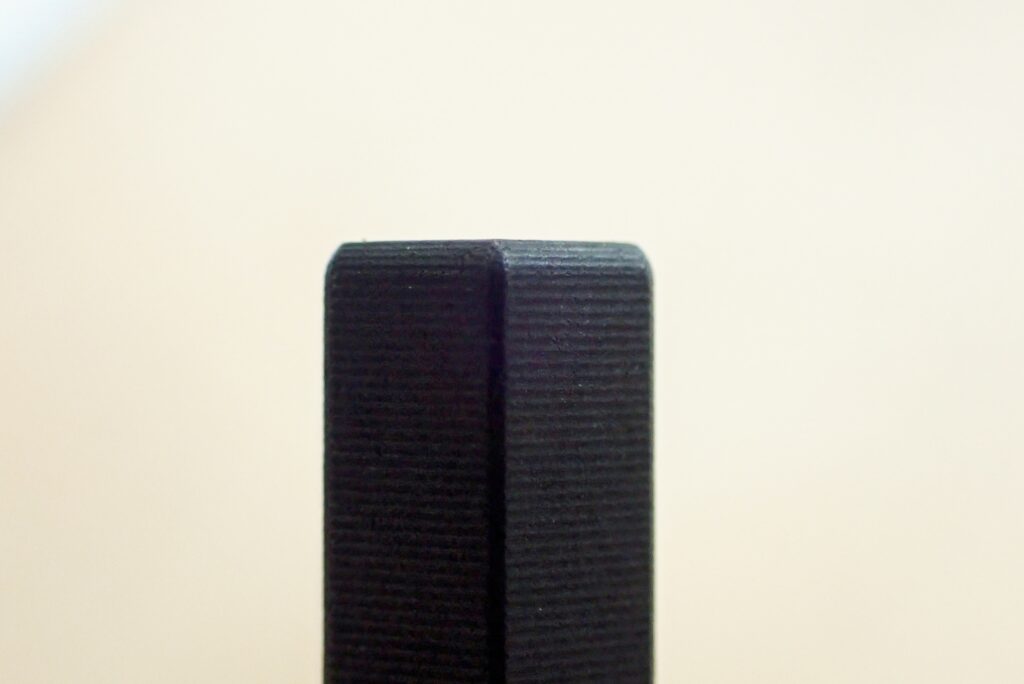
[Image 5: Precision ground black finish tip of Ko-ken Z-EAL 5mm hex bit socket]
Furthermore, the Z-EAL bit features a precision-ground parkerized (black phosphate) finish rather than chrome plating. This completely eliminates the risk of chrome peeling or flaking off under heavy torque loads.
② Bolt Clearance & Free Play Comparison
Here is what happens when both tools are inserted into the exact same hex bolt socket:
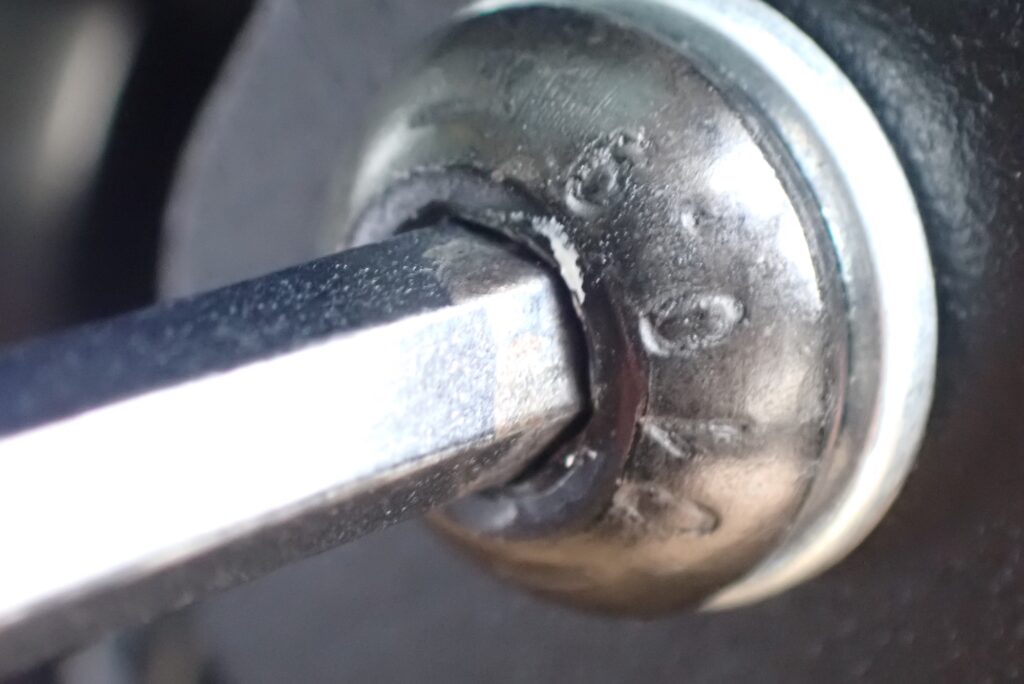
[Image 6: TONE hex bit socket inserted in bolt recess showing chamfer gap and loose fit]
▲ TONE: Due to the large tip chamfer, a visible gap remains around the top rim of the hex recess. Wiggling the tool by hand reveals noticeable play. When breaking loose a seized or loctited bolt, this play allows the tool to twist and round off the fastener corners.
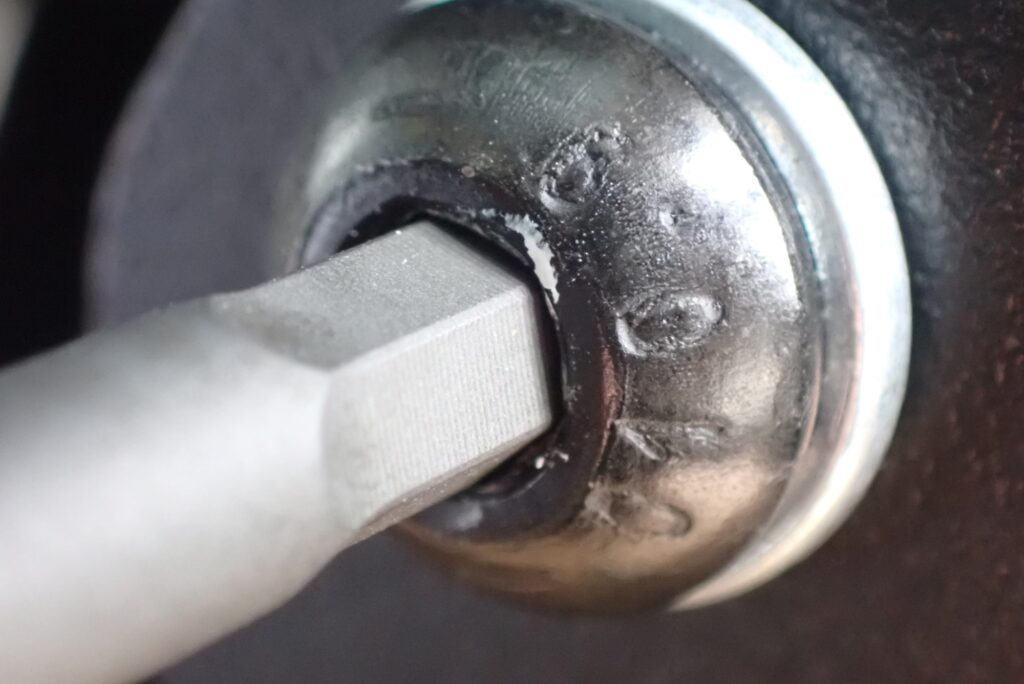
[Image 7: Ko-ken Z-EAL hex bit socket inserted in bolt recess showing snug tight fit]
▲ Ko-ken Z-EAL: The bit fits flush against the internal hexagonal walls with zero visible gap. It locks in completely square, allowing you to lean your weight directly into the axis of the bolt and crack stubborn fasteners loose with total confidence.
4. The Golden Rule of Tool Buying: Premium Precision Is Always the Cheapest Option!
Take a look at my home workshop tool drawer accumulated over decades of motorcycle DIY projects:
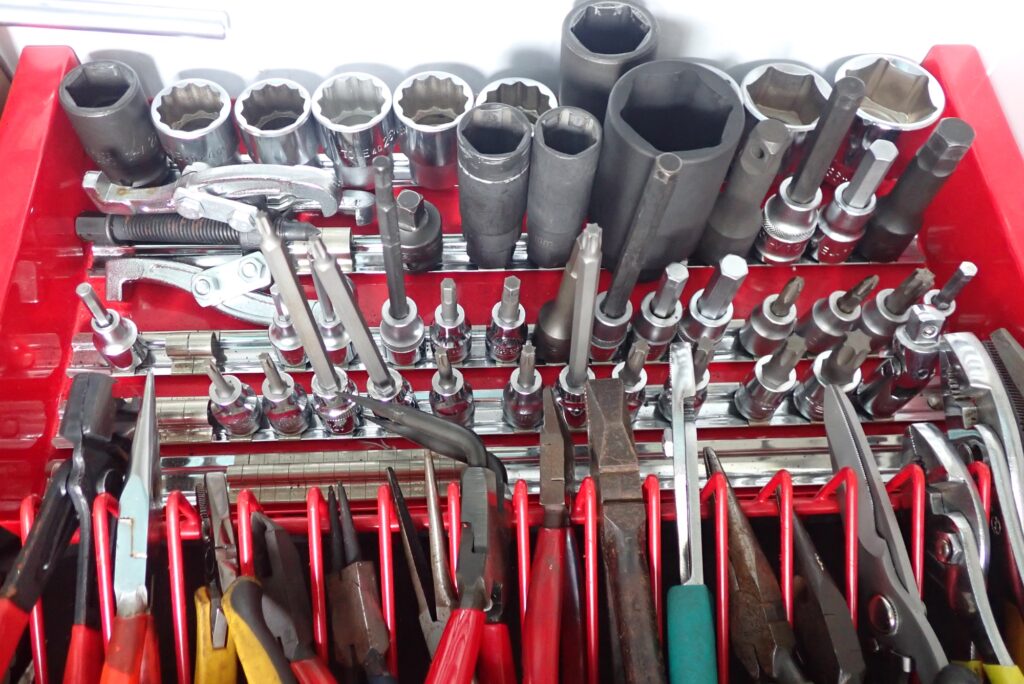
[Image 8: Motorcycle DIY mechanic tool drawer showing socket sets and quality tool collection]
When I first started wrenching, I bought cheap bargain-bin toolsets thinking "tools are just tools." But the moment a cheap, sloppy bit rounds off a single critical bolt, you spend hours drilling, torching, and buying expensive extractors and thread repair kits.
One stripped bolt will easily cost you more in time and recovery tools than a full set of premium sockets.
For home mechanics who want HAZET-level fastener engagement without paying elite tool-truck prices, Ko-ken Z-EAL represents the holy grail of professional-grade Japanese tool design.
5. Recommended Ko-ken Z-EAL Tools for Motorcycle Maintenance
Here are the essential Z-EAL sockets and ratchets that every motorcycle mechanic should have in their roll-cab:
1. Ko-ken Z-EAL 3/8" (9.5sq) Hex Bit Socket 5mm (Model: 3010MZ.50-5)
The must-have socket for fairing bolts, windscreen brackets, and luggage stays. Guarantees zero cam-out on shallow button heads.
2. Ko-ken Z-EAL 3/8" (9.5sq) Hex Bit Socket 6mm (Model: 3010MZ.50-6)
The primary high-torque socket for brake caliper mounting bolts, footpeg brackets, and engine covers.
3. Ko-ken Z-EAL 3/8" (9.5sq) Hex Bit Socket 8-Piece Rail Set (Model: RS3010MZ/8-L50)
A complete set spanning 3mm to 10mm mounted on a dedicated low-profile aluminum socket rail. The ultimate starter pack for DIY mechanics.
4. Ko-ken Z-EAL 3/8" Compact Ratchet Handle (Model: 2725Z / 3725Z)
Features an ultra-compact head, ultra-low back-drag mechanism (36-tooth), and a quick-release push button for effortless one-handed socket changes in tight engine bays.
Conclusion: Preventing Stripped Bolts Comes Down to Tip Precision!
Here is a quick summary of why the Ko-ken Z-EAL 5mm hex bit socket is an essential addition to your toolbox:
- Minimal tip chamfer delivers full-depth engagement in shallow bolt recesses.
- Black phosphate finish eliminates chrome flaking under heavy torque.
- Extremely tight manufacturing tolerances eliminate sloppy play and prevent rounded bolt heads.
- HAZET-rivalling bite and fitment delivered at an accessible price point under $10 / 1,000 yen.
If you want to eliminate the fear of stripped hex bolts and enjoy rock-solid fastener engagement on every build, grab a Ko-ken Z-EAL hex bit socket and feel the difference on your next project!
Ride safe and enjoy wrenching!