I rode motorcycles as a student, but sold my bike before graduating and then spent about ten years away from bikes.
What brought me back as a returning rider was a 1991 Yamaha DT200WR that a friend passed on to me.
In this article I look back on stripping the DT200WR right down to the engine, and on what was good and what was hard about riding it.
The short version
- The DT200WR is where I found out how much fun working on bikes is
- Apart from the rear shock, I stripped it down to the engine and rebuilt it
- Light and fast, but the kick-start and the seat height were hard work
What kind of bike is the DT200WR?
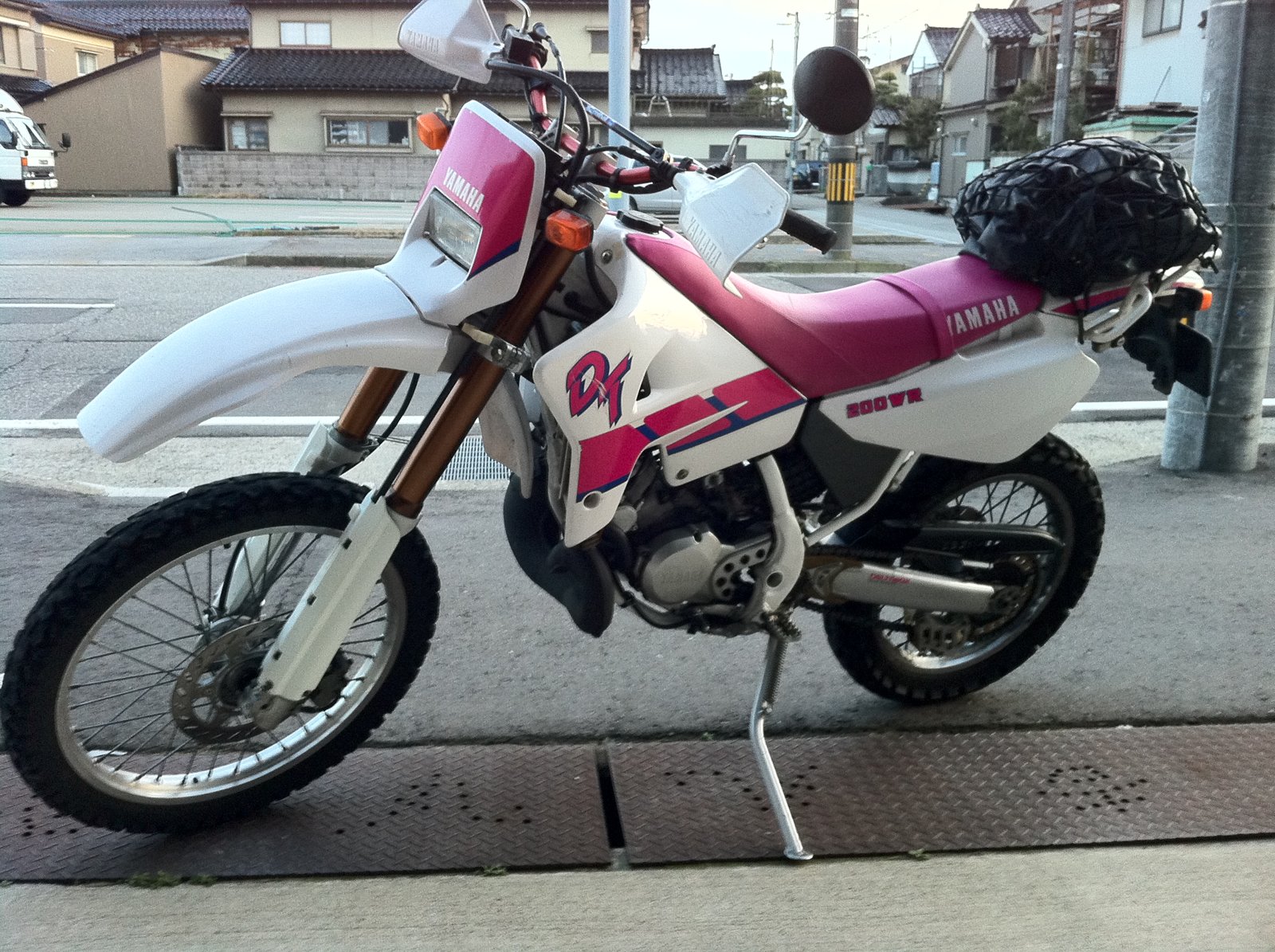
The DT200WR is a liquid-cooled, two-stroke, single-cylinder off-road bike from Yamaha. Mine was a 1991 model.
Period specifications for the 1992 model give a dry weight of 107 kg and a seat height of 895 mm (source: Web Autobike, "Yamaha DT200WR, February 1992").
With two-stroke power in a light chassis, it was a very lively bike to ride. It felt like a bike Yamaha put real effort into during Japan's bubble era, and I could feel the quality right down to the small details.
Back on a bike after ten years
My friend passed it on to me around 2006. It was my first bike in ten years, and it was the start of my life as a returning rider.
It was an old bike, so I started by taking parts off and cleaning them.
Meant to clean it, ended up inside the engine
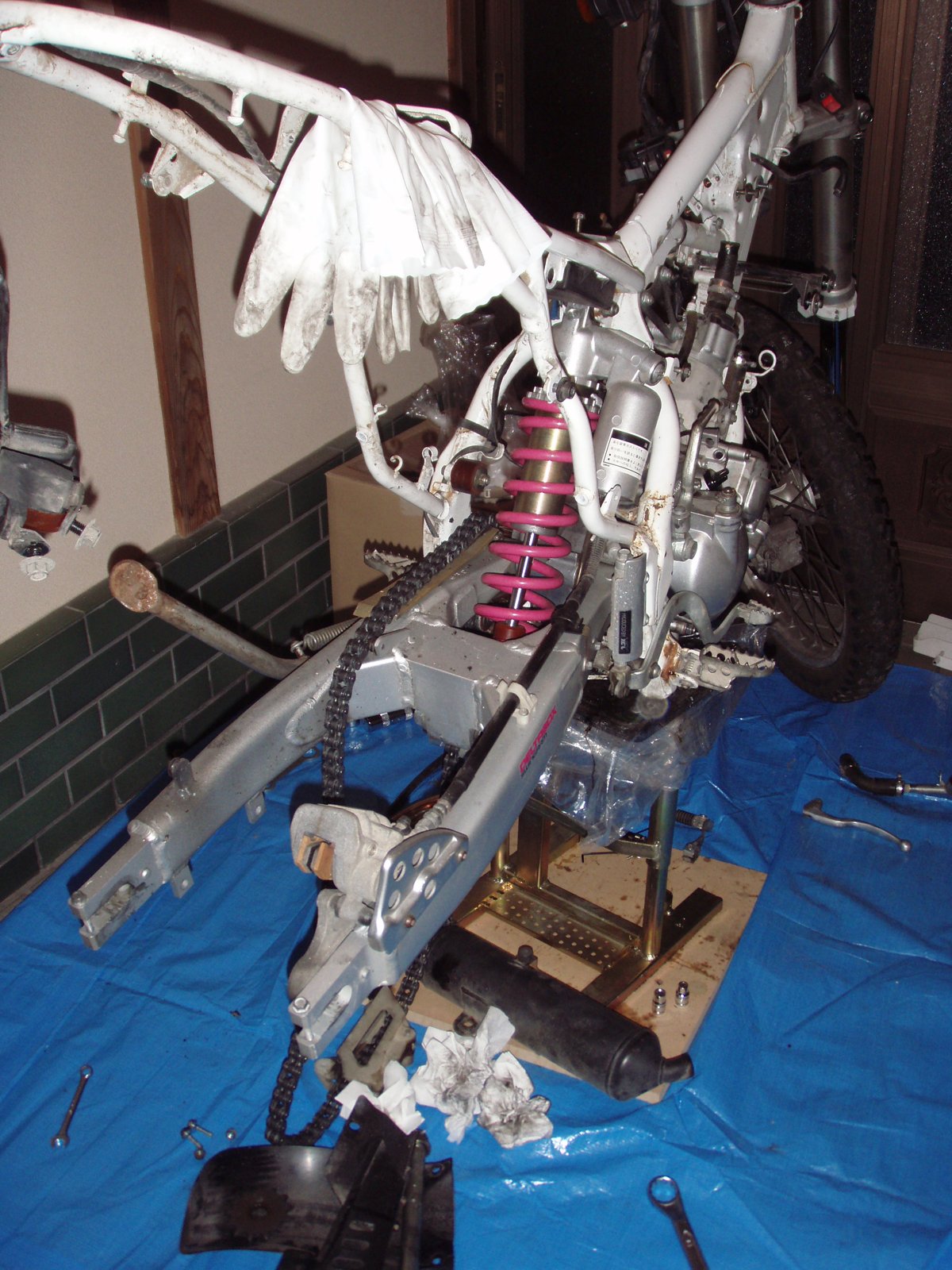
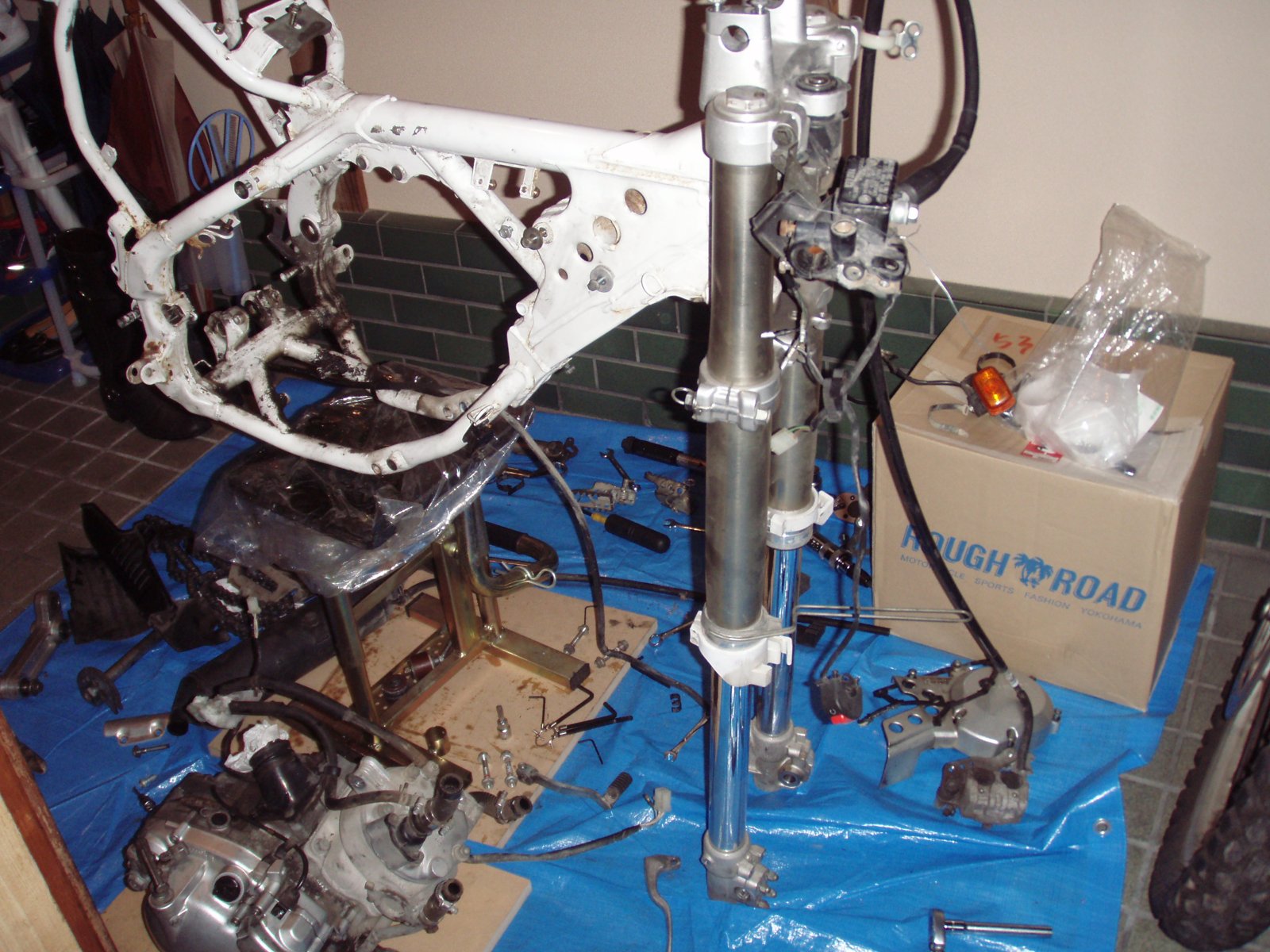
As I took parts off and cleaned them, it gradually became more and more fun. Before I knew it, I had stripped, cleaned and rebuilt everything except the rear suspension, engine included.
Engine: new piston and rings
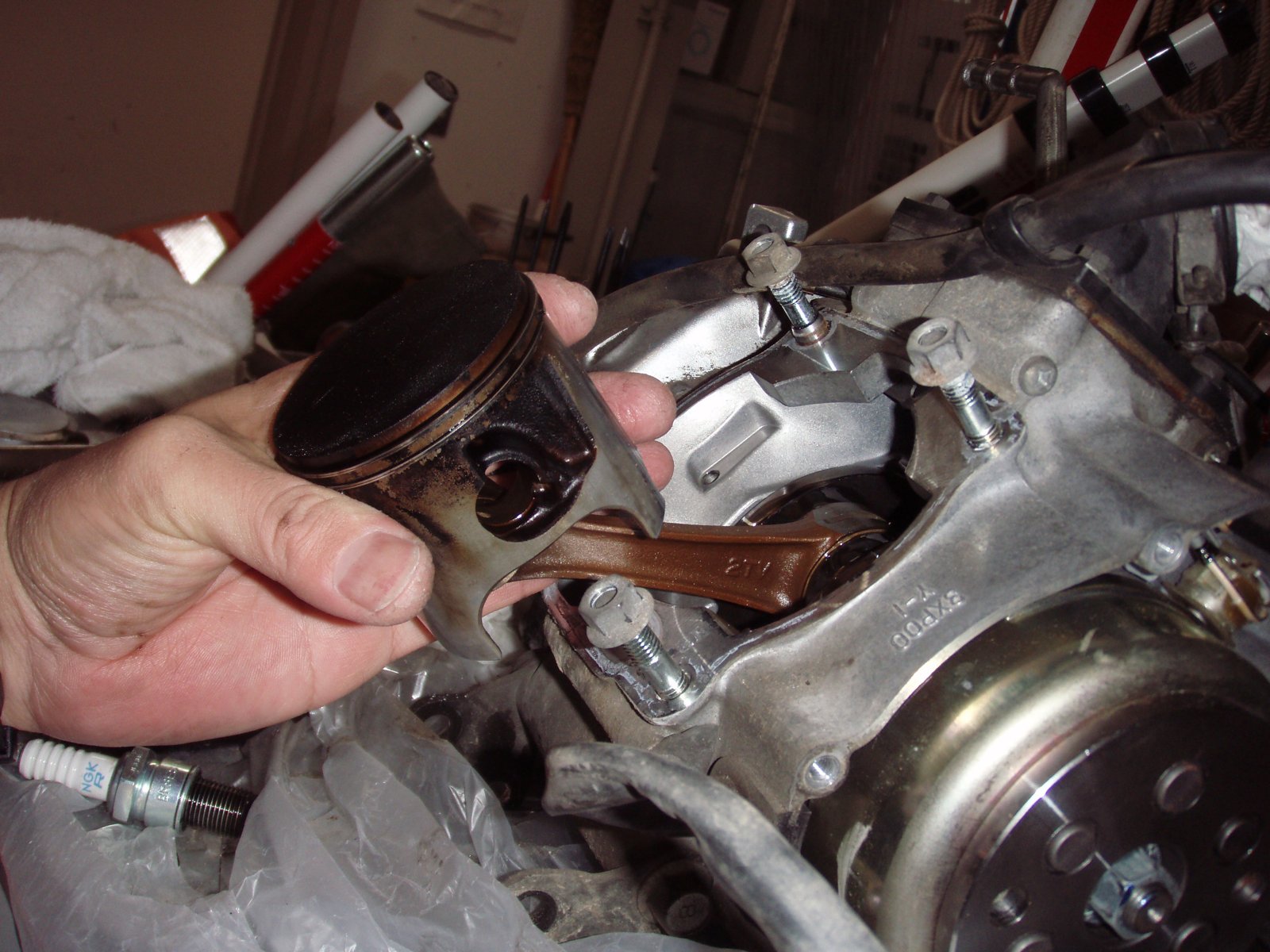
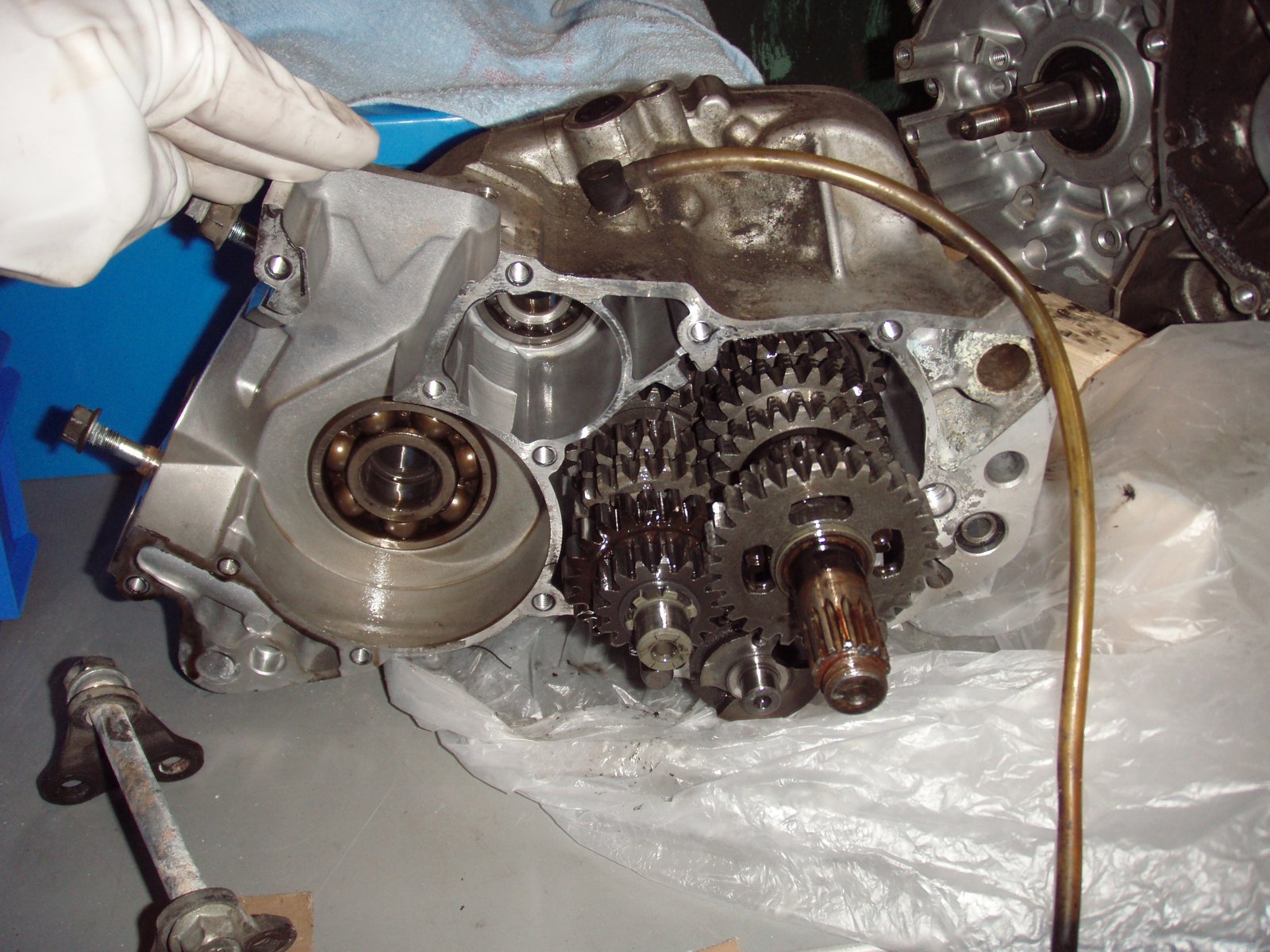
Since I had the engine open, I replaced the piston and piston rings with new ones.
Carburettor: set slightly richer
Looking through books from the time, I found that the carburettor on my bike had a "lean" setting.
So I bought jets and changed it to a slightly richer setting.
Front forks: Kashima coat
The front forks felt stiff. I think they were set up for competition, which is why they felt stiff on the road.
To make them move more smoothly, I had the outer tubes Kashima coated.
Rear shock: overhauled by a specialist
The rear suspension was the one thing I didn't take apart myself. I asked the suspension specialist Technix to overhaul it.
Wheel bearings, done myself
I also replaced the front and rear wheel bearings myself.
A growing tool kit, and a new hobby
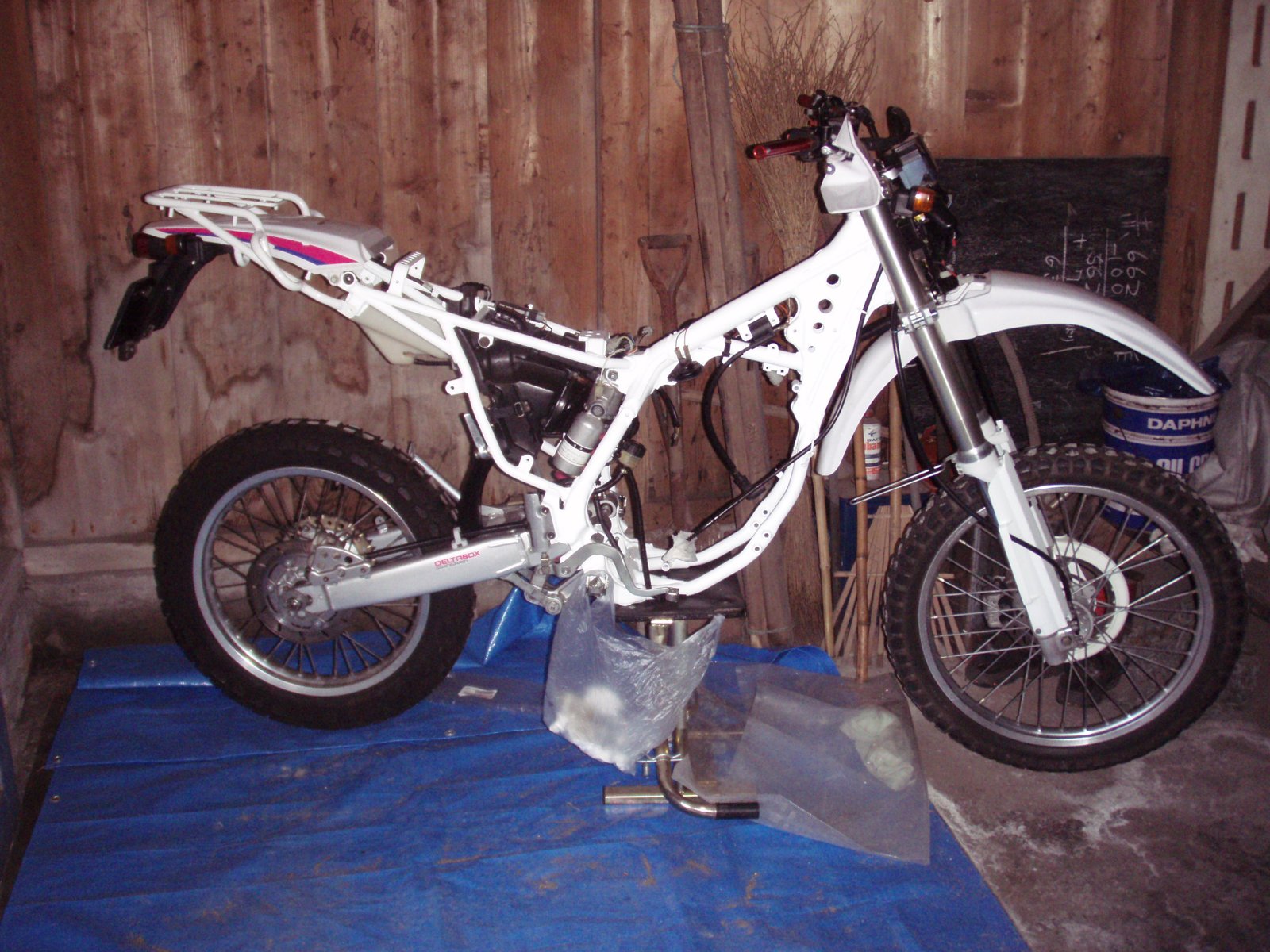
As I did all this work, I gradually built up a collection of tools.
The reason I still work on my XR BAJA and X-ADV at home is that the DT200WR showed me how much fun it is to fix things yourself. For me, it is the bike where working on bikes began.
What was hard about riding it
It was a fun bike, but some things were hard.
- Kick-start only, which was especially tough in summer
- At 167 cm tall, I struggled to reach the ground
- The 10-litre fuel tank made long trips difficult
- Two-stroke parts were getting harder to find
- I was a little bothered by the two-stroke exhaust smoke
The fuel tank held 10 litres (catalogue figure), and as I remember it, I couldn't really go on long tours.
Why I let it go, and the regret that remains
When I was moving to a residential area, I worried that the two-stroke noise and smoke might bother the neighbours, and around 2010 I reluctantly let it go.
I had put a lot of work into rebuilding it, but when I sold it the valuation was cut heavily because of small faults, and I got only a few tens of thousands of yen. I still regret letting such a rare two-stroke go.
Summary
- The DT200WR brought me back to riding after ten years
- Stripping it down to the engine showed me how much fun working on bikes is
- The kick-start, the seat height and the 10-litre tank were hard work
After the DT200WR, I got my XR BAJA and went on through a number of bikes. I have written about all seven bikes I have owned in My Seven Motorcycles, from the DT200WR to the X-ADV.
*This article is a memory of work I did on my own bike as an amateur (I have no mechanic qualifications). If you take apart and rebuild an engine or suspension, follow the service manual procedures and specified values, and do the work at your own risk.