Hello everyone.
"What if my bike breaks down on a deserted mountain road...?"
Most riders have pictured that at least once. Especially on routes deep in the countryside, all you can rely on is yourself and the tools you carry.
In this post I show the on-board tool kit I've settled on after a lot of trial and error, with photos.
- A compact but versatile bit set and why it's so handy
- Painful experience and the spare part I now always carry
- Puncture repair: how I pack so I can fix it at the roadside
I hope it helps if you're not sure what to carry.
Use it as a prompt to look again at what's in your seat bag or top box.
Why the standard tool kit isn't enough: what I learned from breakdowns
How the standard tools perform at the roadside
Have you ever had trouble on a tour and been let down by the bike's standard tool kit?
Standard kits are designed to save space, so they can be imprecise, and they can round off a seized bolt.
The tools you need depend on where you're going and how far
A short local ride and a tour of several days call for different priorities in what you carry.
- Day rides: a minimal set for adjusting the chain or tightening a loose mirror.
- Long tours and camping: a set that includes spare parts for a puncture repair or an electrical problem. Picturing the "what ifs" for where you're going is the first step to packing without waste.
[My example] The tool kit I carry on tour
The "basic tools" for small adjustments and roadside fixes
The core of my kit is the bike's standard tool kit, plus the sizes I use most often.
- Spanners: mainly 8, 10, 12 and 14 mm, the sizes used most on motorcycles.
- Hex (Allen) keys: needed for removing bodywork and adjusting levers.
- Pliers: for twisting wire and jobs where your fingers aren't strong enough. These are tools I also use a lot in everyday maintenance.
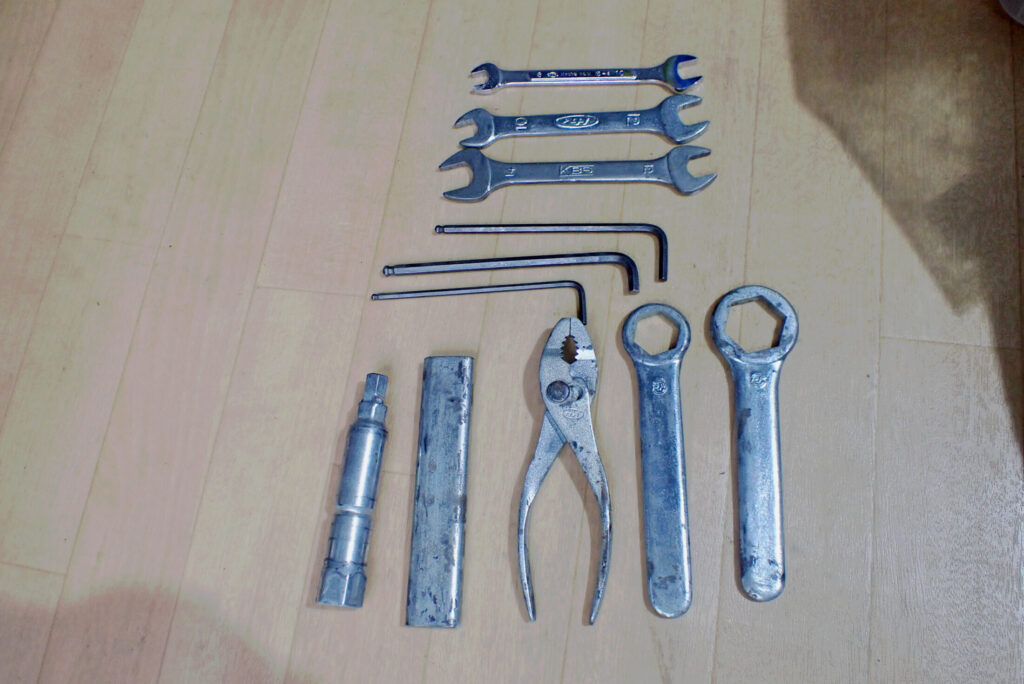
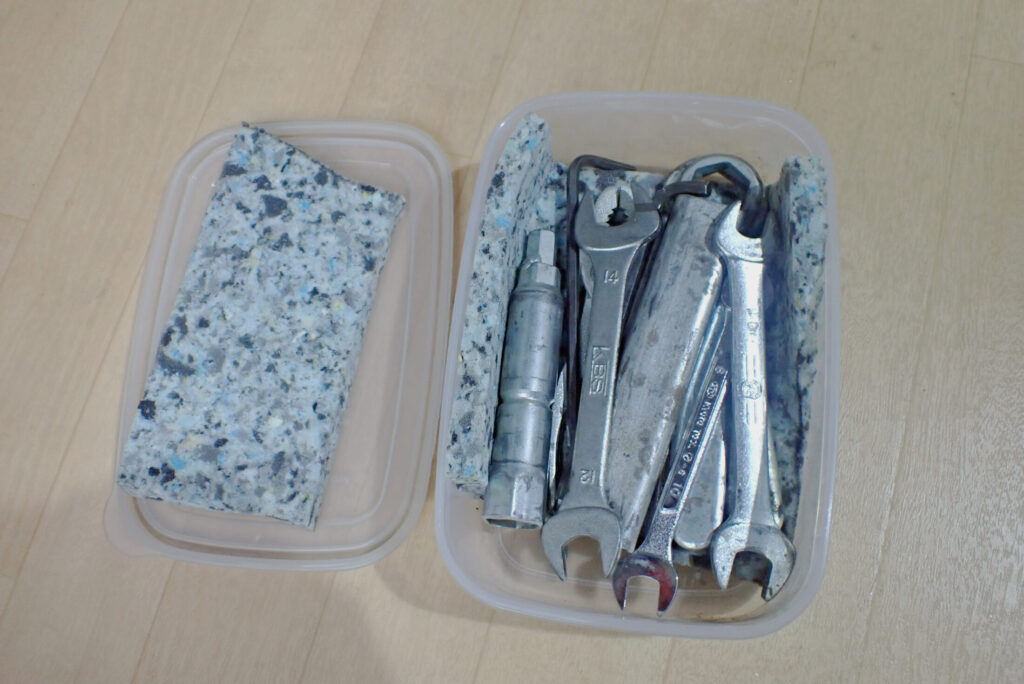
The original tool roll fell apart, so I keep the tools in a plastic tub from a 100-yen shop, with sponge to stop them rattling, inside my top box.
Compact but versatile: the TACTIX bit and socket set
On a bike with limited space, the palm-sized TACTIX bit set is very handy.
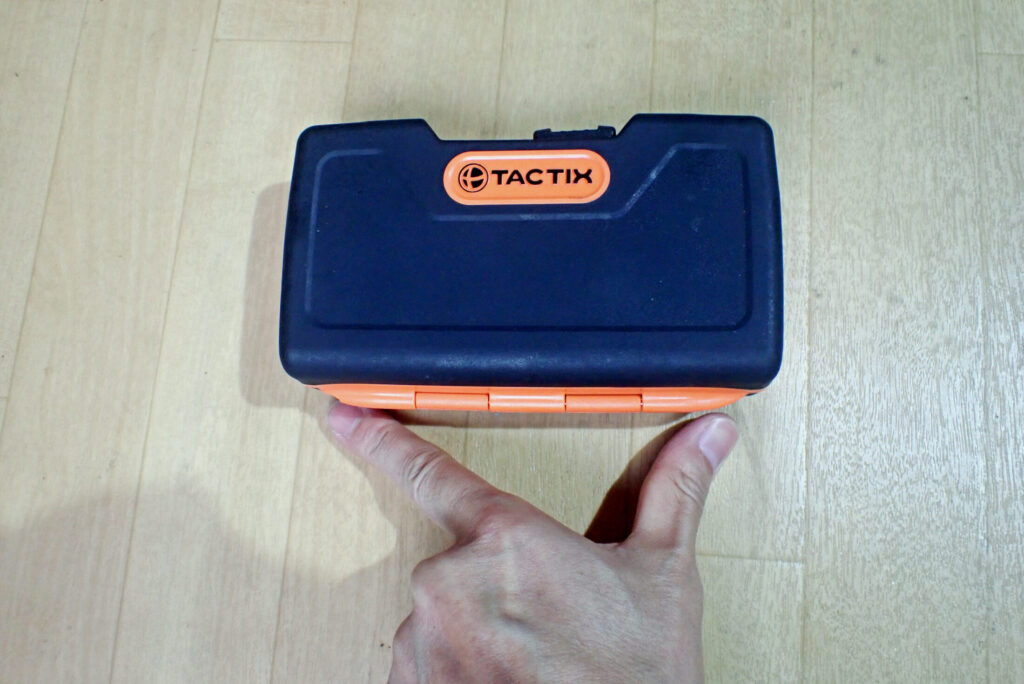
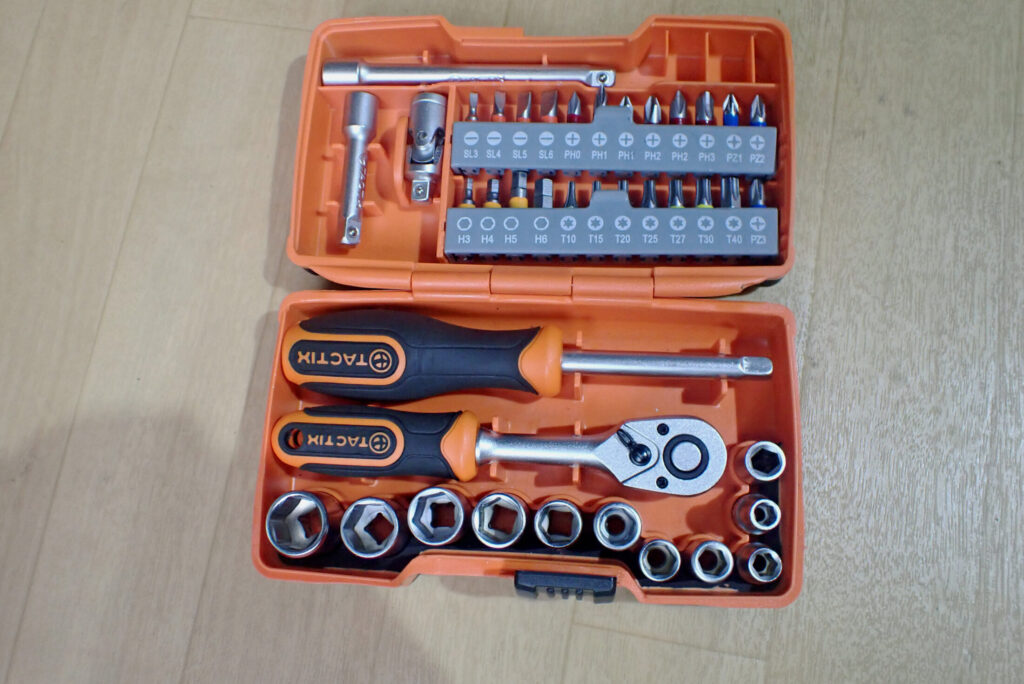
Advantages: although it fits in your palm, it has a ratchet handle, an extension and the main bits: Phillips, flat, Torx and hex.
How I use it: with this one set, I can do many small jobs, from removing bodywork to tightening the battery terminals.
As of 9 May 2026, I couldn't find this set for sale online. Looking for something affordable, I found a similar set from STRAIGHT.
FACOM also sells a similar set, though it costs more.
Puncture repair on the road: tyre levers and a STRAIGHT tool roll
What I fear on off-road rides and long tours is a puncture. I keep my tyre levers and puncture repair kit together in a STRAIGHT tool roll.
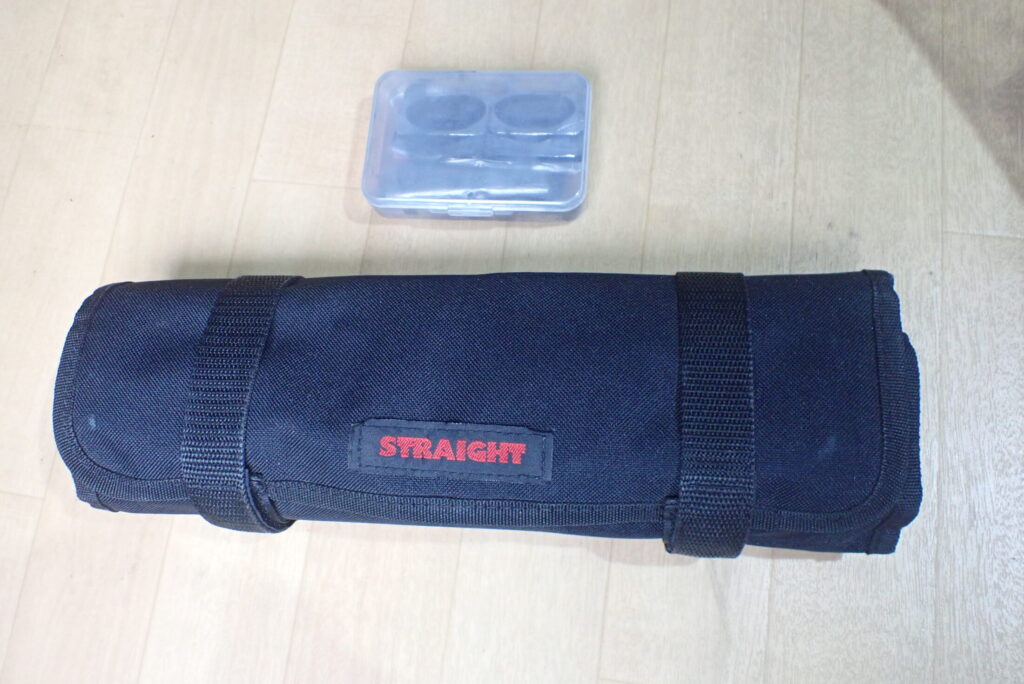
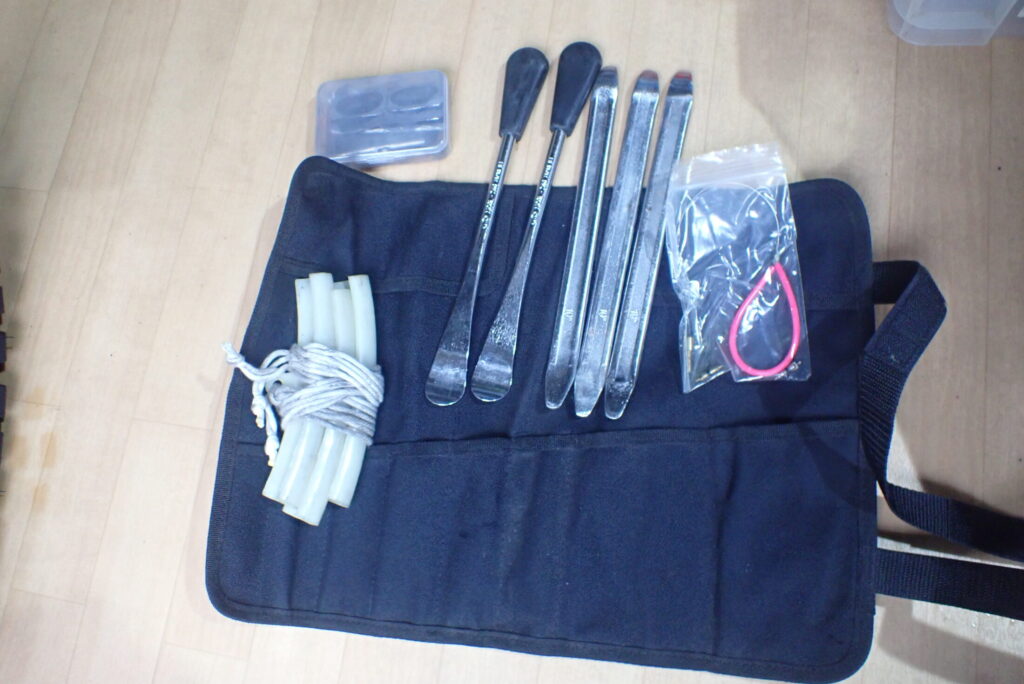
Tip for packing: holding the tools firmly in a tool roll stops them knocking together and rattling.
Peace of mind: with tyre levers you can change a tube, so there's less worry about being stranded deep in the mountains.
As of 9 May 2026, the STRAIGHT website didn't seem to sell this tool bag any more. Searching around, I found a similar bag from KTC.
The pink tool on the right in the photo above is an air valve puller. It guides a tube's valve through the hole in the rim.
You can repair a puncture without one, but it makes the job easier, so I carry it.
Incidentally, my rear wheel now runs a tubeless tyre on an SL230 wheel, so I need a tubeless puncture repair kit.
Writing this post made me realise what's missing from my own tool kit.
Beyond tools: items I always want with me
Ready for electrical trouble: a spare regulator
I've had a regulator fail before, so I carry a spare as a kind of good-luck charm.
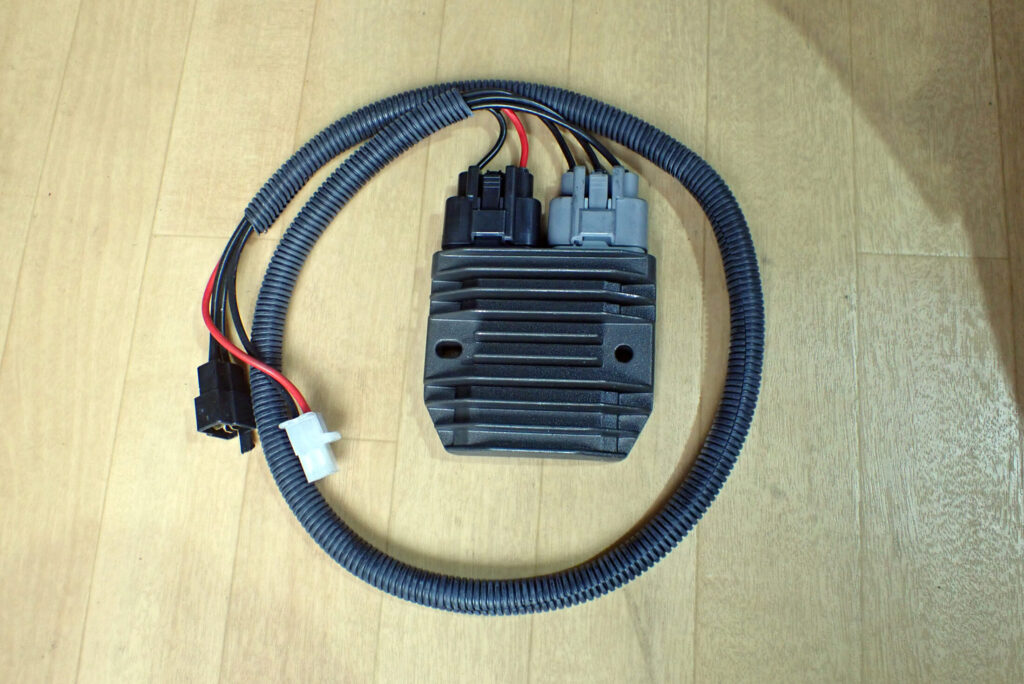
Why carry one: on my XR BAJA, the regulator once failed on the road and the engine wouldn't restart (see the post below).
My advice: know your bike's weak points, and if a part is small and swappable at the roadside, carrying a spare lets you tour with more peace of mind.
Keep your hands and the place clean: work gloves and cleaning supplies
Just as important as the repair itself is looking after yourself and the surroundings afterwards.
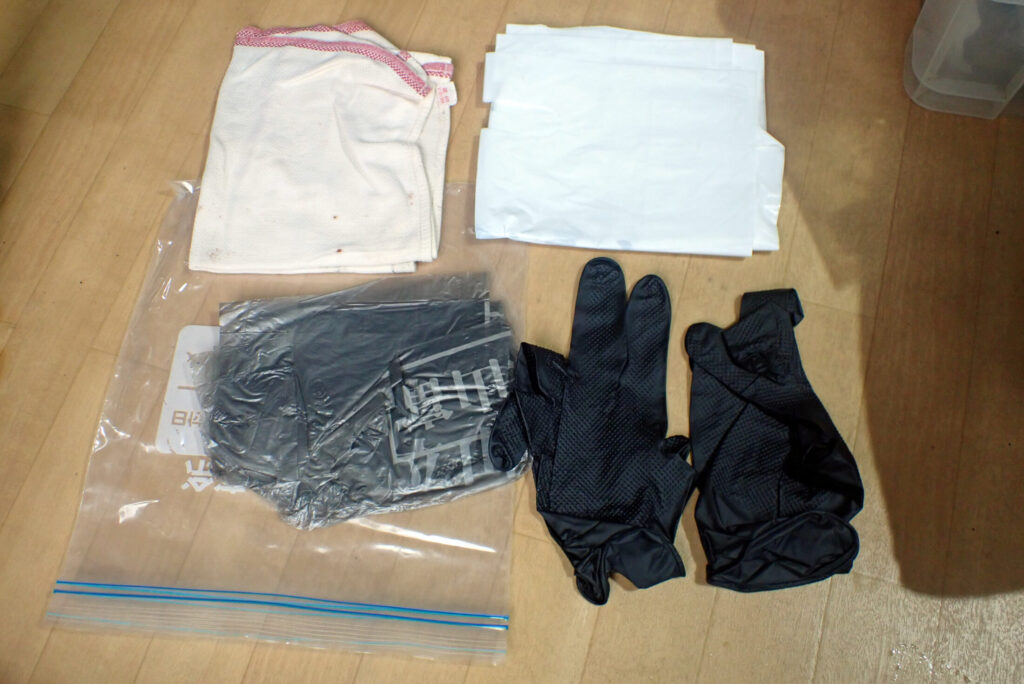
Work gloves: protect your hands from dirt and cuts.
Rags and bin bags: for wiping up spilled oil and taking your rubbish home rather than leaving it at the campsite or the roadside.
Zip bags: for storing gloves and rags dirty from the job.
Extra peace of mind on breaks: a light RAINCORE lock
It isn't a tool, but the light RAINCORE lock gives me peace of mind on tour.
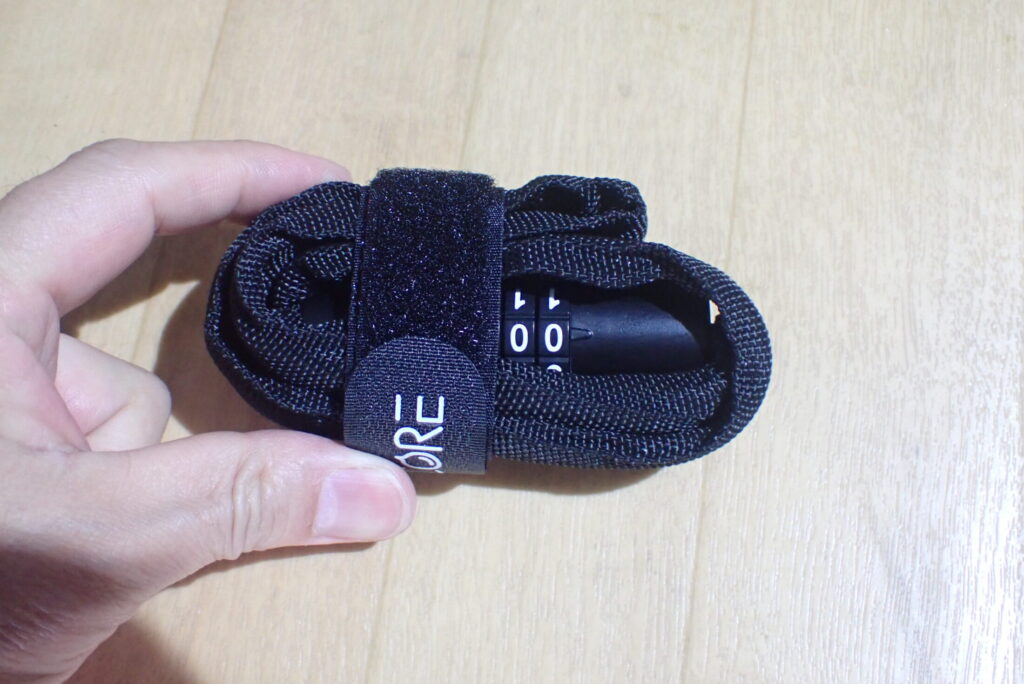
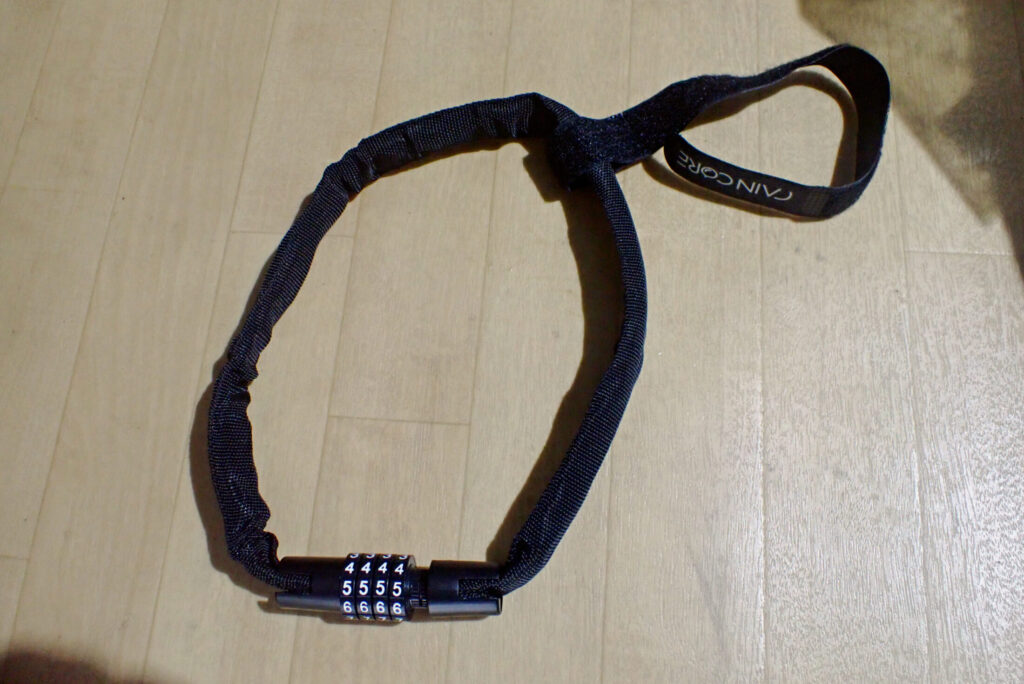
Convenience: it's a combination lock, so there's no key to carry. It's handy for securing a helmet or as simple security when I stop for a while.
The point: even if you can't carry a heavy chain lock, a lock that fits in your pocket like this is easy to take along.
Summary: be prepared, and build your own on-board kit for worry-free trips
Trouble on tour sometimes can't be avoided. But with the right on-board tools, you're more likely to avoid being stranded.
Let's recap.
Include after-care in the kit: carry work gloves and bin bags, and aim to keep both yourself and the surroundings clean.
Prioritise "versatile and compact": TACTIX-style bit set, to make the most of limited luggage space.
Picture the "what ifs": carrying a puncture repair kit and spares that cover your own bike's weak points brings peace of mind.
Collecting tools isn't the goal.Check the contents regularly and actually use them yourself - that's what matters. Working on my own bikes, such as my XR250 and BMW G650GS, has taught me how important this is.
I hope this post helps you build your own on-board tool kit.